


Spectrophotometer Repair Services: Common Problems, Solutions, and Maintenance Guide
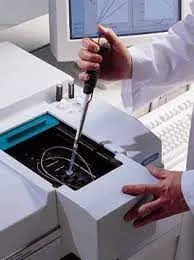
Spectrophotometers are essential analytical instruments used in pharmaceutical, chemical, environmental, food, biotechnology, and research laboratories. These instruments measure the absorption or transmission of light by a sample, providing accurate data for qualitative and quantitative analysis.
Over time, spectrophotometers may experience performance issues due to continuous usage, environmental factors, aging components, or improper maintenance. Professional spectrophotometer repair services help restore instrument accuracy, improve reliability, and extend equipment lifespan.
What Is a Spectrophotometer?
A spectrophotometer is a laboratory instrument used to measure the amount of light absorbed by a sample at specific wavelengths.
Common applications include:
- Pharmaceutical analysis
- Water quality testing
- Food and beverage testing
- Chemical analysis
- Research and development
- Biotechnology applications
Accurate measurements depend on proper instrument calibration and maintenance.
Why Spectrophotometer Repair Is Important
A malfunctioning spectrophotometer can lead to:
- Inaccurate test results
- Failed quality control checks
- Reduced laboratory productivity
- Regulatory compliance issues
- Increased operational costs
Timely repairs help maintain analytical accuracy and prevent costly downtime.
Common Spectrophotometer Problems
1. Lamp Failure
Symptoms:
- No light output
- Weak signal strength
- Error messages
Causes:
- Aging lamp
- Electrical faults
- Excessive operating hours
Solution:
Lamp replacement and optical system verification.
2. Wavelength Accuracy Errors
Symptoms:
- Incorrect readings
- Failed calibration tests
- Measurement inconsistencies
Causes:
- Misaligned optics
- Detector issues
- Worn mechanical components
Solution:
Wavelength calibration and optical alignment.
3. Baseline Drift
Symptoms:
- Fluctuating measurements
- Poor repeatability
Causes:
- Temperature variations
- Lamp instability
- Optical contamination
Solution:
System cleaning, calibration, and component inspection.
5. Software and Communication Errors
Symptoms:
- Instrument connection failures
- Data acquisition issues
- Software crashes
Causes:
- Driver problems
- Hardware communication faults
- Software corruption
Solution:
Software troubleshooting and system diagnostics.
Professional Spectrophotometer Repair Process
Initial Inspection
Engineers perform a complete instrument evaluation to identify visible and operational issues.
Inspection includes:
- Lamp condition
- Optical system assessment
- Detector testing
- Electronic board inspection
- Software diagnostics
Fault Diagnosis
Advanced troubleshooting helps identify the root cause of instrument failure.
Technicians evaluate:
- Optical performance
- Electrical circuits
- Mechanical components
- Detector response
- Calibration accuracy
Component-Level Repair
Professional repair services often include:
- Lamp replacement
- Detector repair
- Power supply servicing
- Optical alignment
- Electronic board repair
- Display and keypad replacement
Component-level repairs reduce overall repair costs.
Cleaning and Preventive Maintenance
Maintenance procedures include:
- Optical path cleaning
- Mirror and lens inspection
- Dust removal
- Internal component cleaning
- Mechanical adjustments
Proper cleaning improves instrument performance and accuracy.
Calibration and Performance Verification
After repairs, the instrument undergoes calibration to verify:
- Wavelength accuracy
- Photometric accuracy
- Repeatability
- Linearity
- Instrument stability
Calibration ensures reliable analytical results.
Benefits of Regular Spectrophotometer Maintenance
Improved Accuracy
Routine maintenance ensures consistent and reliable measurements.
Extended Instrument Life
Preventive servicing reduces wear and prolongs equipment lifespan.
Reduced Downtime
Regular inspections help detect problems before major failures occur.
Better Compliance
Maintained instruments support compliance with:
- GMP
- GLP
- ISO standards
- Laboratory quality systems
Signs Your Spectrophotometer Needs Repair
Watch for:
- Unstable readings
- Increased noise levels
- Failed calibration checks
- Lamp warnings
- Slow system response
- Software errors
- Unexpected absorbance values
Prompt servicing can prevent costly instrument failures.
Industries That Depend on Spectrophotometers
Pharmaceutical Industry
Drug formulation and quality testing.
Food and Beverage Industry
Color and concentration analysis.
Environmental Laboratories
Water and pollution testing.
Chemical Industry
Material identification and quality control.
Academic and Research Institutions
Scientific studies and analytical research.
Preventive Maintenance Tips
To keep your spectrophotometer performing optimally:
- Clean sample compartments regularly
- Protect optical components from dust
- Use quality cuvettes
- Follow manufacturer guidelines
- Schedule annual calibration
- Perform routine performance checks
Preventive maintenance significantly reduces repair costs.
Choosing the Right UV - Vis Spectrophotometer Service Provider
When selecting a service provider, consider:
- Technical expertise
- Experience with multiple brands
- Calibration capabilities
- Availability of spare parts
- Fast response times
- Preventive maintenance support
A qualified service provider helps maintain instrument accuracy and reliability.
Conclusion
Spectrophotometers are critical analytical instruments that require regular maintenance and professional repair services to ensure accurate and reliable results. Timely repairs, preventive maintenance, and proper calibration help laboratories reduce downtime, improve productivity, and maintain compliance with industry standards.
Investing in professional spectrophotometer repair services ensures long-term instrument performance and dependable analytical data.