


HPLC Repair & Service
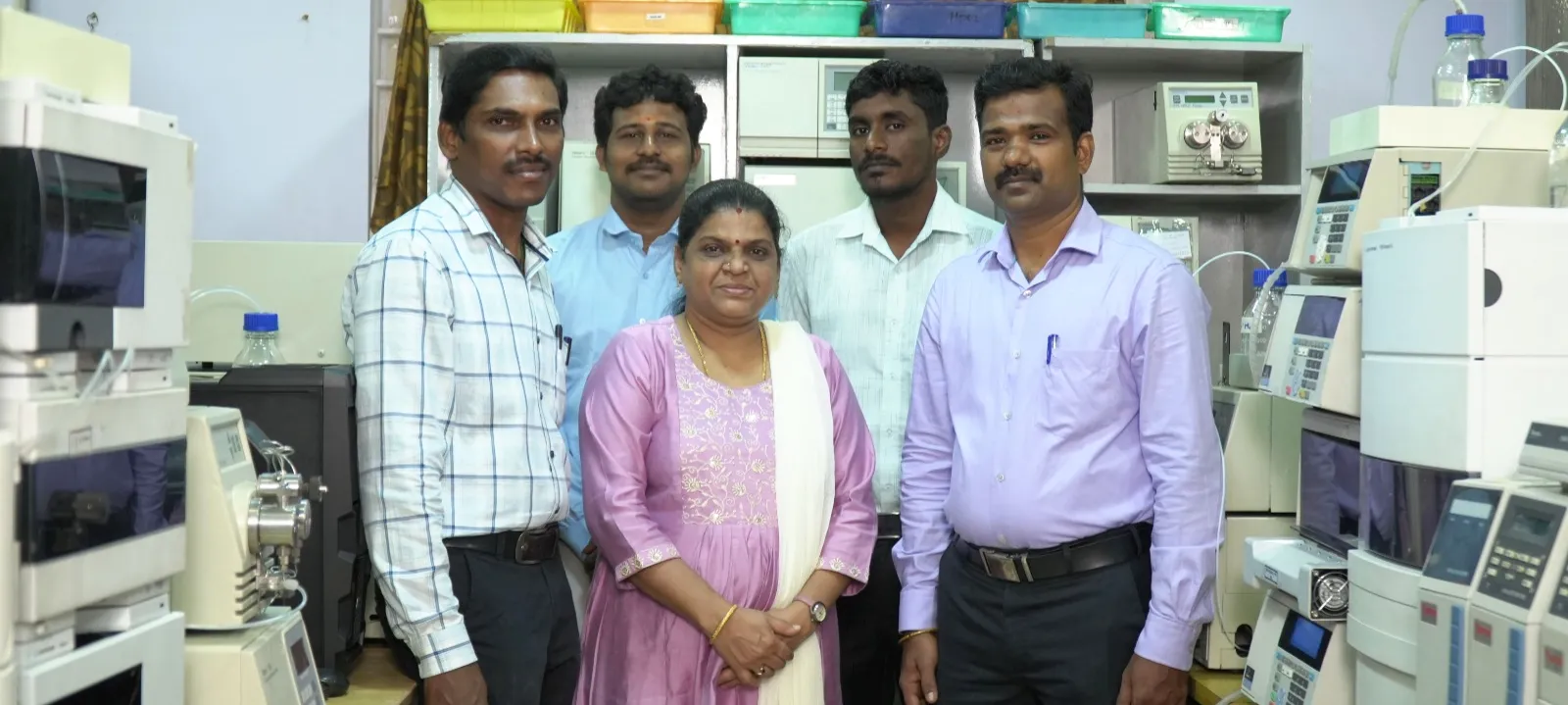
TEAM
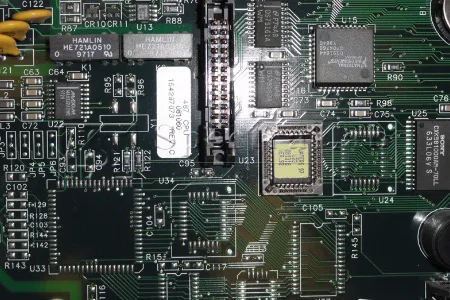
PCB Board Repairs
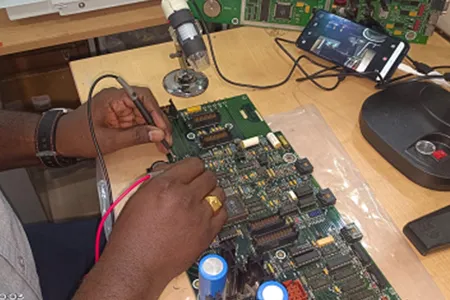
Repairing Process


Final Performance Check
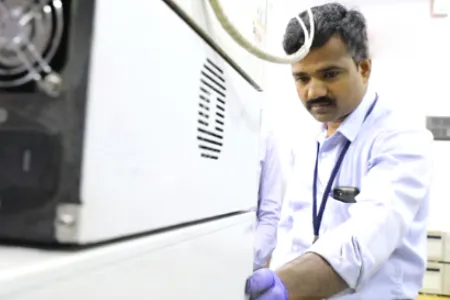
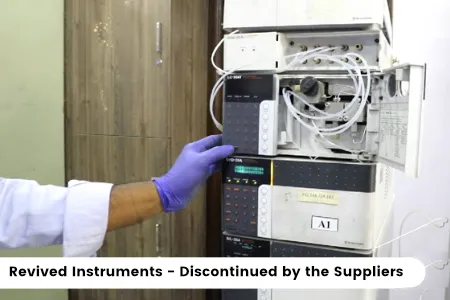
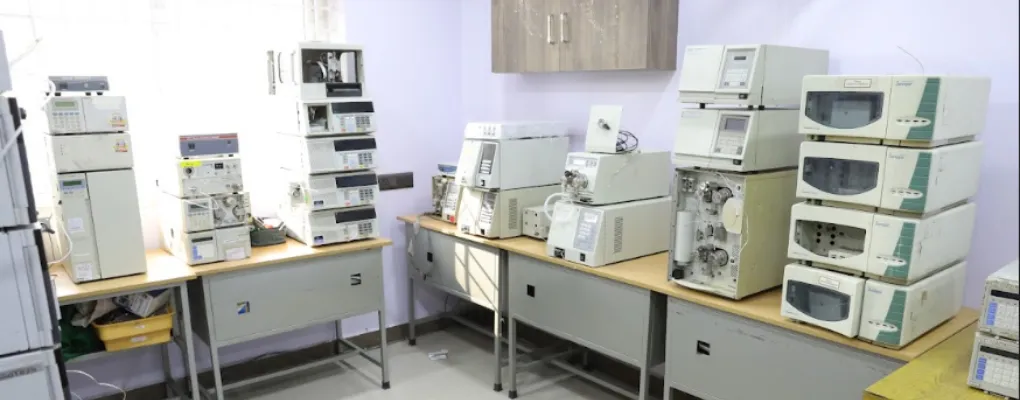
Service Lab
HPLC Repair and Maintenance Services: Ensuring Reliable Laboratory Performance
High-Performance Liquid Chromatography (HPLC) is one of the most widely used analytical techniques in pharmaceutical, chemical, environmental, food, and research laboratories. HPLC systems provide accurate separation, identification, and quantification of compounds, making them essential for quality control and analytical testing.
However, like any sophisticated laboratory instrument, HPLC systems require regular repair and maintenance to ensure optimal performance, accurate results, and uninterrupted laboratory operations. Proper maintenance not only improves instrument reliability but also extends equipment lifespan and reduces costly downtime.
What Is an HPLC System?
HPLC (High-Performance Liquid Chromatography) is an analytical instrument used to separate, identify, and quantify components in liquid samples.
A typical HPLC system consists of:
- Solvent Reservoirs
- Degasser
- Pump
- Injector
- Column
- Detector
- Data Processing Software
Each component must function properly to achieve accurate and reproducible analytical results.
Importance of HPLC Repair and Maintenance
Regular HPLC maintenance is essential because even minor issues can affect analytical accuracy and system performance.
Benefits of routine maintenance include:
- Improved analytical accuracy
- Reduced instrument downtime
- Longer equipment lifespan
- Lower repair costs
- Increased productivity
- Better regulatory compliance
Preventive maintenance helps identify potential problems before they become major failures.
Common HPLC Problems
1. High System Pressure
High back pressure is one of the most common HPLC issues.
Possible causes:
- Blocked column
- Clogged filters
- Contaminated mobile phase
- Obstructed tubing
Regular maintenance helps prevent pressure-related problems.
2. Pump Malfunctions
The pump is the heart of the HPLC system.
Common pump issues include:
- Flow rate instability
- Leaking pump seals
- Worn check valves
- Air bubbles in the system
Pump maintenance ensures stable solvent delivery and consistent results.
3. Detector Problems
Detector issues may result in:
- Noisy baselines
- Signal fluctuations
- Poor sensitivity
- Incorrect peak detection
Routine servicing helps maintain detector accuracy and reliability.
4. Injector Failures
Common injector problems include:
- Sample carryover
- Leakage
- Injection volume inaccuracies
- Worn rotor seals
Regular inspection and replacement of worn components improve injection precision.
5. Degasser Issues
A malfunctioning degasser can introduce air bubbles into the system, causing:
- Baseline noise
- Pump instability
- Poor reproducibility
Periodic maintenance ensures proper degasser operation.
Preventive Maintenance for HPLC Systems
Preventive maintenance minimizes unexpected failures and keeps the system operating efficiently.
Daily Maintenance
- Check solvent levels
- Inspect tubing connections
- Monitor system pressure
- Verify detector performance
- Flush system after use
Weekly Maintenance
- Clean injector components
- Inspect solvent filters
- Check for leaks
- Verify pump performance
Monthly Maintenance
- Replace worn seals if needed
- Clean detector flow cell
- Inspect tubing and fittings
- Check degasser functionality
Annual Maintenance
Comprehensive servicing should include:
- Pump overhaul
- Seal replacement
- Valve inspection
- Calibration verification
- Detector performance testing
- System qualification
Key HPLC Components That Require Maintenance
Pump Assembly
The pump requires regular inspection of:
- Pump seals
- Pistons
- Check valves
- Flow accuracy
Injector System
Routine servicing includes:
- Rotor seal replacement
- Needle inspection
- Sample loop cleaning
Chromatography Column
Proper column care helps maintain:
- Separation efficiency
- Peak shape
- Analytical accuracy
Columns should be stored and cleaned according to manufacturer recommendations.
Detector
Detector maintenance includes:
- Flow cell cleaning
- Lamp inspection
- Signal verification
- Performance testing
Signs Your HPLC System Needs Repair
Watch for these warning signs:
- Increased system pressure
- Unstable baseline
- Poor peak resolution
- Retention time shifts
- Flow rate inconsistencies
- Detector noise
- Solvent leaks
- Reduced sensitivity
Prompt repair prevents further damage and maintains analytical reliability.
Benefits of Professional HPLC Repair Services
Professional service providers offer:
- Expert diagnostics
- Genuine replacement parts
- Component-level repairs
- Performance verification
- Calibration support
- Preventive maintenance programs
Experienced engineers can quickly identify and resolve issues, minimizing laboratory downtime.
Importance of HPLC Calibration
Calibration ensures that the system performs within specified accuracy limits.
Calibration activities may include:
- Flow rate verification
- Detector wavelength accuracy
- Injection volume testing
- Pressure validation
Regular calibration supports compliance with regulatory standards such as GMP, GLP, and ISO requirements.
How Maintenance Improves Laboratory Productivity
A properly maintained HPLC system provides:
- Faster analysis
- Consistent results
- Reduced downtime
- Lower operating costs
- Improved compliance readiness
Routine maintenance is a cost-effective investment that enhances laboratory efficiency.
Choosing the Right HPLC Service Provider
When selecting an HPLC repair and maintenance partner, consider:
- Industry experience
- Technical expertise
- Availability of spare parts
- Calibration capabilities
- Response time
- Preventive maintenance support
A reliable service provider helps ensure uninterrupted laboratory operations and accurate analytical results.
Conclusion
HPLC systems are critical analytical instruments that require regular repair and maintenance to deliver accurate and reliable results. Preventive maintenance, timely repairs, and routine calibration help maximize instrument performance, extend equipment life, and reduce costly downtime.
By implementing a structured maintenance program and working with experienced service professionals, laboratories can ensure consistent analytical quality and operational efficiency.