


Rotational Viscometer Calibration
Rotational Viscometer
- Serving to more than 800 customers in South India.
- Repairs / Servicing to various manufacturers.
- Onsite and Inhouse Calibration facility.
- Revived more than 1500 instruments which were discontinued by the manufacturers.
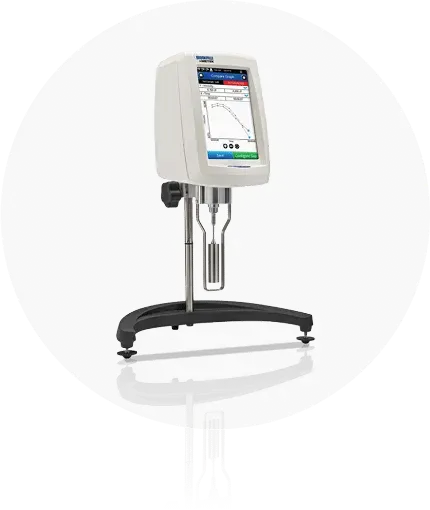
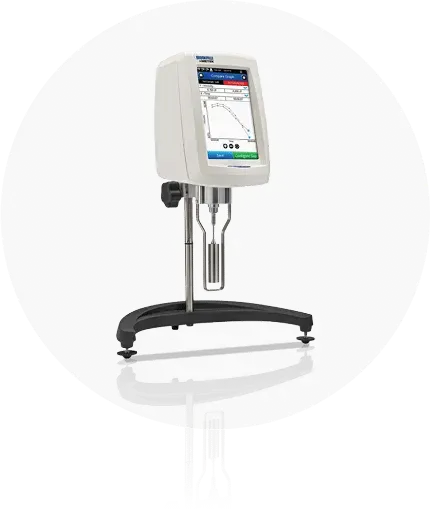
Brookfield Viscometer
- LVT,RVT
- DV-I
- DV-II+Pro
- DV-2T
- DV-3TDV-1M
- DV-E
- DV-II
- DV-II Ultra
- DV-2TCP
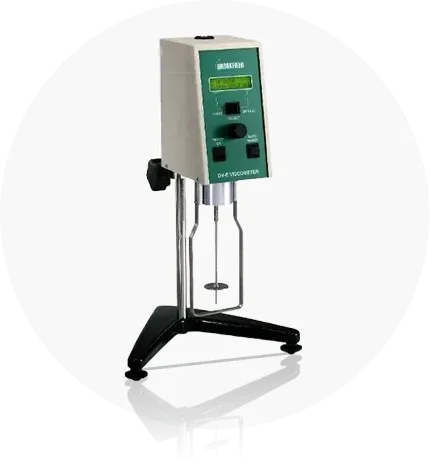
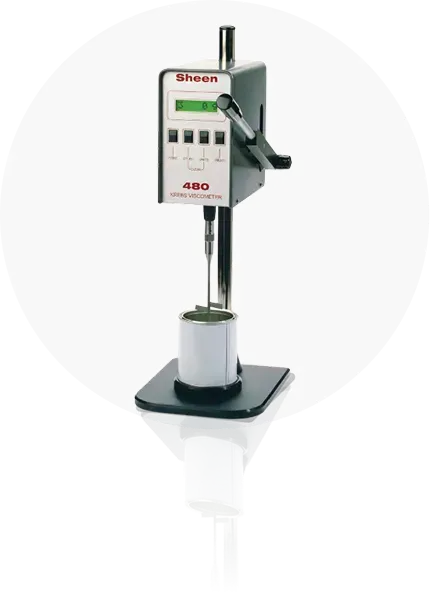
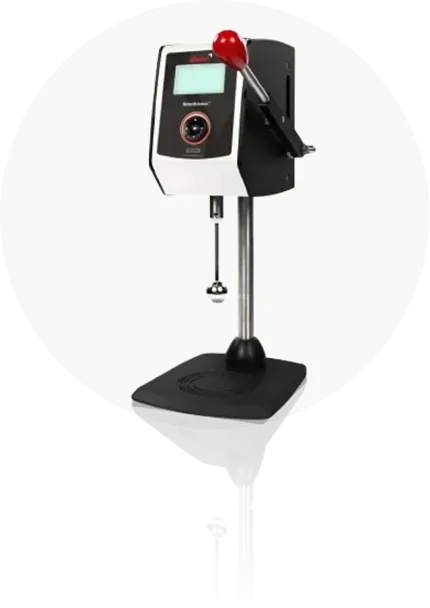
Sheen / TQC
- Krebs KU Viscometers 407/480
- Roto Thinners 455N
- Cone & Plate 490
- Viscometers VM1/VM2
- KU-2/3 Temperature Bath
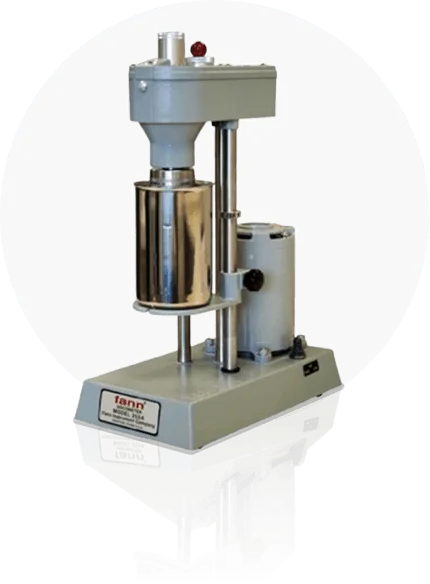
Fann / Ofite
- 35A
- 355A
- 280
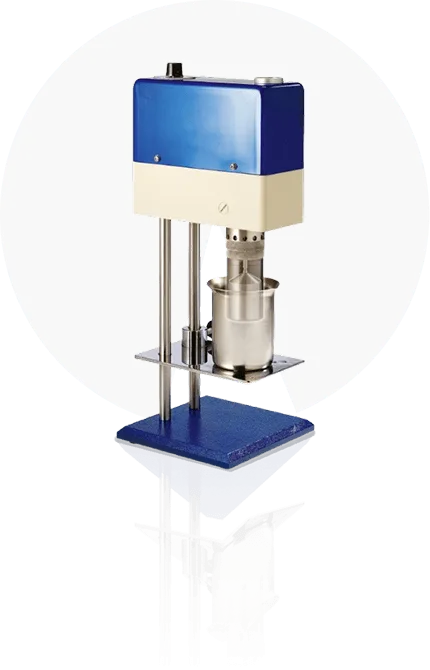
Services to Other Manufacturers










Rotational Viscometer
Rotational Viscometer
- Serving to more than 800 customers in South India.
- Repairs / Servicing to various manufacturers.
- Onsite and Inhouse Calibration facility.
- Revived more than 1500 instruments which were discontinued by the manufacturers.
Brookfield Viscometer
Brookfield Viscometer
- LVT,RVT
- DV-I
- DV-II+Pro
- DV-2T
- DV-3TDV-1M
- DV-E
- DV-II
- DV-II Ultra
- DV-2TCP
Sheen / TQC
Sheen / TQC
- Krebs KU Viscometers 407/480
- Roto Thinners 455N
- Cone & Plate 490
- Viscometers VM1/VM2
- KU-2/3 Temperature Bath
Fann / Ofite
Fann / Ofite
- 35A
- 355A
- 280
Services to Other Manufacturers
Services to Other Manufacturers
A
3
2
1
Rotational Viscometer Calibration
Rotational Viscometer Calibration – NABL Traceable Service
ISO/IEC 17025 Compliant | ASTM & ISO Standards | Audit-Ready Calibration
Rotational Viscometer Calibration Service
Rotational viscometer calibration is essential for ensuring accurate and repeatable viscosity measurements in quality control, R&D, and production environments. Instruments Care provides NABL-traceable rotational viscometer calibration in compliance with ISO/IEC 17025, ASTM D2196, and ISO 2555.
We calibrate all major makes and models, including Brookfield-type rotational viscometers, covering torque, speed, and viscosity accuracy using certified reference standards.
Why Rotational Viscometer Calibration Is Important
- Prevents inaccurate viscosity readings
- Reduces batch rejection and quality deviations
- Ensures GMP, GLP, and ISO audit compliance
- Minimizes instrument drift over time
- Improves product consistency and process control
Types of Rotational Viscometers We Calibrate
- Digital rotational viscometers
- Analog rotational viscometers
- Brookfield-type viscometers
- LV, RV, HA, HB torque range models
- Single-speed and multi-speed viscometers
NABL-Traceable Calibration Procedure
1️⃣ Instrument Inspection
- Spindle, coupling, and motor inspection
- Speed and display verification
- Torque performance evaluation
2️⃣ Calibration Using Certified Standards
- NABL-traceable viscosity reference oils
- Temperature-controlled conditions
- Multi-point viscosity measurements
3️⃣ Adjustment & Optimization
- Torque and speed correction
- Spindle alignment verification
- Mechanical and electronic fine-tuning
4️⃣ Calibration Certificate
- NABL-traceable calibration certificate
- Measurement uncertainty values
- Pass/Fail status with results
Industries We Serve
- Pharmaceutical manufacturing
- Chemical and polymer industries
- Paints, coatings, and inks
- Food and beverage processing
- Cosmetic and personal care
- Research and testing laboratories
On-Site & In-Lab Calibration
We offer on-site rotational viscometer calibration, in-lab NABL calibration, emergency services, and Annual Maintenance Contracts (AMC).
Why Instruments Care? (EEAT)
Experience: Over 25 years of hands-on calibration expertise across regulated industries.
Expertise: Calibration performed by trained engineers specializing in torque and viscosity systems.
Authority: Trusted calibration partner for viscometers, HPLC, GC, UV-Vis, and AAS instruments.
Trust: Transparent procedures, NABL traceability, and audit-ready documentation.
Rotational Viscometer Repair & Maintenance
- Torque sensor replacement
- Motor and bearing repairs
- Speed control and PCB troubleshooting
- Preventive maintenance & AMC
FAQ – Rotational Viscometer Calibration
Get Rotational Viscometer Calibration Service
Ensure accurate viscosity measurement and audit-ready compliance with rotational viscometer calibration from Instruments Care. Contact us today for a quotation or technical consultation.
A
3
2
1
Rotational Viscometer Calibration
Rotational Viscometer Calibration – NABL Traceable Service
ISO/IEC 17025 Compliant | ASTM & ISO Standards | Audit-Ready Calibration
Rotational Viscometer Calibration Service
Rotational viscometer calibration is essential for ensuring accurate and repeatable viscosity measurements in quality control, R&D, and production environments. Instruments Care provides NABL-traceable rotational viscometer calibration in compliance with ISO/IEC 17025, ASTM D2196, and ISO 2555.
We calibrate all major makes and models, including Brookfield-type rotational viscometers, covering torque, speed, and viscosity accuracy using certified reference standards.
Why Rotational Viscometer Calibration Is Important
- Prevents inaccurate viscosity readings
- Reduces batch rejection and quality deviations
- Ensures GMP, GLP, and ISO audit compliance
- Minimizes instrument drift over time
- Improves product consistency and process control
Types of Rotational Viscometers We Calibrate
- Digital rotational viscometers
- Analog rotational viscometers
- Brookfield-type viscometers
- LV, RV, HA, HB torque range models
- Single-speed and multi-speed viscometers
NABL-Traceable Calibration Procedure
1️⃣ Instrument Inspection
- Spindle, coupling, and motor inspection
- Speed and display verification
- Torque performance evaluation
2️⃣ Calibration Using Certified Standards
- NABL-traceable viscosity reference oils
- Temperature-controlled conditions
- Multi-point viscosity measurements
3️⃣ Adjustment & Optimization
- Torque and speed correction
- Spindle alignment verification
- Mechanical and electronic fine-tuning
4️⃣ Calibration Certificate
- NABL-traceable calibration certificate
- Measurement uncertainty values
- Pass/Fail status with results
Industries We Serve
- Pharmaceutical manufacturing
- Chemical and polymer industries
- Paints, coatings, and inks
- Food and beverage processing
- Cosmetic and personal care
- Research and testing laboratories
On-Site & In-Lab Calibration
We offer on-site rotational viscometer calibration, in-lab NABL calibration, emergency services, and Annual Maintenance Contracts (AMC).
Why Instruments Care? (EEAT)
Experience: Over 25 years of hands-on calibration expertise across regulated industries.
Expertise: Calibration performed by trained engineers specializing in torque and viscosity systems.
Authority: Trusted calibration partner for viscometers, HPLC, GC, UV-Vis, and AAS instruments.
Trust: Transparent procedures, NABL traceability, and audit-ready documentation.
Rotational Viscometer Repair & Maintenance
- Torque sensor replacement
- Motor and bearing repairs
- Speed control and PCB troubleshooting
- Preventive maintenance & AMC
FAQ – Rotational Viscometer Calibration
Get Rotational Viscometer Calibration Service
Ensure accurate viscosity measurement and audit-ready compliance with rotational viscometer calibration from Instruments Care. Contact us today for a quotation or technical consultation.
A
3
2
1
Rotational Viscometer Calibration
Rotational Viscometer Calibration Services in Chennai
NABL-Traceable | ISO/IEC 17025 Certified | ASTM & ISO Standards Compliant
Serving 800+ Customers Across South India | 25+ Years of Excellence
Professional Rotational Viscometer Calibration Service
Instruments Care is South India's most trusted provider of rotational viscometer calibration services with over 25 years of specialized experience. We deliver NABL-traceable calibration that meets ISO/IEC 17025, ASTM D2196, and ISO 2555 standards for pharmaceutical, chemical, food, paint, and research industries.
Our calibration engineers have successfully calibrated over 1,500 rotational viscometers including Brookfield, Fann, Ofite, Sheen, TQC, Fungilab, and other major manufacturers. We provide both on-site and in-laboratory calibration services across Chennai, Bangalore, Hyderabad, and throughout Tamil Nadu, Karnataka, and Andhra Pradesh.
Why Rotational Viscometer Calibration is Critical
Rotational viscometer calibration ensures your instrument provides accurate, repeatable viscosity measurements that directly impact product quality, regulatory compliance, and operational efficiency. Uncalibrated viscometers can cause significant quality control issues and financial losses.
Critical Impact Areas
1. Product Quality and Consistency
Viscosity directly affects product performance across industries. In pharmaceutical manufacturing, incorrect viscosity readings in liquid formulations can lead to improper drug dissolution rates and bioavailability issues. For paint manufacturers, viscosity errors result in application problems like sagging, poor coverage, or improper film thickness. Food products with incorrect viscosity may have texture issues, separation problems, or reduced shelf life.
2. Regulatory Compliance and Audit Readiness
Regulatory bodies including FDA (for pharmaceuticals and food), ISO auditors, and GMP inspectors require documented proof of calibration traceability. NABL-traceable calibration certificates demonstrate compliance with ISO/IEC 17025 standards and provide the measurement uncertainty data required for quality documentation. During audits, calibration records must show unbroken traceability to national or international standards.
3. Cost Savings and Risk Mitigation
Regular calibration prevents costly batch rejections. A pharmaceutical company we service avoided a potential ₹45 lakh batch rejection when calibration revealed their viscometer was reading 8% low, causing formulation errors. Paint manufacturers prevent customer complaints and warranty claims by maintaining calibrated viscometers. The typical cost of calibration (₹5,000-15,000) is minimal compared to potential losses from:
- Batch rejections: ₹50,000 - ₹50 lakhs per incident
- Production downtime: ₹1-5 lakhs per day
- Customer complaints and returns: ₹2-20 lakhs
- Regulatory penalties: ₹5-50 lakhs
- Failed audits requiring re-certification: ₹10-30 lakhs
4. Instrument Drift and Degradation
Rotational viscometers experience mechanical and electronic drift over time. Torque springs weaken, bearings wear, electronic components age, and spindles develop microscopic surface changes. These changes are gradual and often undetectable without formal calibration. Our data shows that instruments used daily typically drift 2-5% annually, while those in harsh chemical environments may drift up to 10% within six months.
Rotational Viscometers We Calibrate
Instruments Care has specialized expertise in calibrating all types and brands of rotational viscometers used across industries. Our calibration laboratory is equipped with NABL-traceable reference standards covering viscosity ranges from 1 cP to 1,000,000 cP.
Brookfield Viscometer Calibration
We are South India's leading service provider for Brookfield viscometer calibration with expertise in all models:
| Model Series | Torque Range | Typical Applications | Calibration Points |
|---|---|---|---|
| LV Series (LVT, DV-I, DV-II+, DV-E) | 1 - 2,000 cP | Low viscosity liquids, solvents, emulsions, beverages | 50, 500, 1000, 2000 cP |
| RV Series (RVT, DV-II+, DV-2T, DV-3T) | 100 - 40,000 cP | Paints, inks, creams, lotions, adhesives | 5000, 20000, 40000 cP |
| HA Series | 200 - 800,000 cP | Pastes, gels, polymer melts | 100000, 400000, 800000 cP |
| HB Series | 800 - 3,200,000 cP | Heavy pastes, putty, high-viscosity polymers | 1000000, 2000000, 3000000 cP |
Other Manufacturers We Service
Fann / Ofite Viscometers
Models: 35A, 35SA, 355A, 286
Applications: Drilling fluids, cement slurries, oil field applications
Standards: API 13B-1, ISO 10414
Sheen / TQC Viscometers
Models: Krebs KU (407, 480), Roto Thinner 455N, Cone & Plate 490
Applications: Paints, coatings, inks
Standards: ASTM D562, ISO 2884
Fungilab Viscometers
Models: Expert Series, Smart Series, Visco Series
Applications: Food, cosmetics, pharmaceuticals
Standards: ISO 2555, ASTM D2196
Other Brands
Manufacturers: Haake, Rheologica, RION, Lamy, NDJ, Kaltec, Toki Sangyo
Coverage: Digital and analog models, all torque ranges
Understanding Rotational Viscometer Technology
Understanding how rotational viscometers measure viscosity is essential for proper operation and interpreting calibration results. This knowledge helps users select appropriate spindles, speeds, and operating conditions.
Basic Working Principle
A rotational viscometer measures dynamic viscosity by rotating a spindle immersed in the test fluid at a controlled angular velocity. The fluid's resistance to shear creates torque on the spindle, which the instrument measures and converts to viscosity using calibrated mathematical relationships.
The Physics of Viscosity Measurement
When a spindle rotates in a fluid, it creates shear stress between fluid layers. According to Newton's law of viscosity:
τ = η × γ̇
Where:
- τ (tau) = Shear stress (force per unit area)
- η (eta) = Dynamic viscosity (what we're measuring)
- γ̇ (gamma dot) = Shear rate (velocity gradient)
The viscometer measures the torque required to maintain constant rotation, which is proportional to shear stress. Combined with known geometric factors (spindle dimensions, rotation speed), the instrument calculates viscosity.
Key Components Verified During Calibration
1. Torque Measurement System
The torque sensor (typically a calibrated spring or strain gauge) must accurately measure resistance forces. During calibration, we verify torque accuracy across the full operating range using certified viscosity reference fluids with known viscosity values at specific temperatures. Torque is expressed as percentage of full-scale range, and instruments should read within ±1% of full scale.
2. Rotational Speed Control
RPM accuracy directly affects shear rate and final viscosity calculation. We verify that the motor maintains exact speeds (typically 0.3, 0.6, 1.5, 3, 6, 12, 30, 60, and 100 RPM for Brookfield models). Using tachometer verification and timing methods, we ensure speed accuracy within ±1% of set value.
3. Spindle Geometry and Condition
Spindle dimensions determine the mathematical conversion factors (multipliers) used to calculate viscosity. We inspect spindles for damage, wear, corrosion, or contamination that could alter surface characteristics. Even microscopic surface changes affect torque transfer, especially for high-viscosity measurements.
Newtonian vs Non-Newtonian Fluid Behavior
Newtonian Fluids
Newtonian fluids (water, mineral oils, glycerin, simple solvents) exhibit constant viscosity regardless of shear rate. During calibration with Newtonian reference standards, viscosity readings should remain constant across different RPM settings. If a reference fluid with known viscosity of 1000 cP is tested at 6, 12, 30, and 60 RPM, all readings should yield 1000 cP (within instrument precision).
This behavior confirms instrument linearity and proper calibration. Any variation in readings across RPM indicates calibration issues, bearing friction, or speed control problems.
Non-Newtonian Fluids
Most industrial fluids are non-Newtonian, meaning viscosity changes with shear rate:
- Shear-thinning (pseudoplastic): Viscosity decreases with increasing shear rate. Examples include paints, ketchup, polymer solutions, blood. At low RPM, molecular structures resist flow, but higher RPM breaks down these structures, reducing apparent viscosity. This is why paint flows easily when brushed (high shear) but doesn't drip when static (low shear).
- Shear-thickening (dilatant): Viscosity increases with shear rate. Examples include cornstarch suspensions, some ceramic slurries. Higher RPM causes particle interactions that increase resistance.
- Thixotropic: Viscosity decreases over time under constant shear, then recovers when shear stops. Examples include yogurt, some adhesives, drilling muds.
- Rheopectic: Viscosity increases over time under constant shear. Examples include some gypsum pastes, printer inks.
For non-Newtonian fluids, calibration ensures the instrument accurately measures torque and calculates apparent viscosity at each specific shear rate. Users must report viscosity with the spindle number and RPM used, as these determine shear rate.
Temperature Effects on Viscosity
Viscosity is extremely temperature-dependent. For most liquids, viscosity decreases approximately 2-5% per degree Celsius temperature increase. This is why all calibration is performed at precisely controlled temperatures (typically 25°C ± 0.1°C).
Example: A lubricating oil with viscosity of 100 cP at 25°C may read:
- 120 cP at 23°C (2°C lower)
- 83 cP at 27°C (2°C higher)
Our calibration procedure includes temperature verification of both the instrument and reference fluids using NABL-traceable thermometers accurate to ±0.1°C. The calibration certificate reports the exact temperature at which measurements were taken.
Complete Calibration Procedure - Step by Step
Our NABL-traceable calibration procedure follows ISO/IEC 17025 requirements and international standards including ASTM D2196, ISO 2555, and manufacturer specifications. This comprehensive process ensures your viscometer delivers accurate, reliable measurements.
Pre-Calibration Preparation
Environmental Conditions Verification
Temperature Control: Calibration laboratory maintained at 25°C ± 1°C with continuous monitoring. Temperature fluctuations affect viscosity of reference fluids and instrument electronics.
Humidity Control: Relative humidity maintained between 40-60% to prevent condensation and static electricity issues.
Vibration Isolation: Calibration performed on vibration-free tables. External vibrations can affect torque measurements and cause erratic readings.
Stabilization Time: Instruments brought from different environments are allowed 2-4 hours to reach thermal equilibrium before calibration begins.
Initial Instrument Inspection
Visual Examination: Check for physical damage, corrosion, loose components, damaged cables, or missing parts.
Leveling Verification: Use built-in bubble level or external precision level to ensure vertical alignment. Misalignment causes eccentric rotation and torque errors.
Spindle Inspection: Examine spindle shaft for bending, thread damage, or surface corrosion. Check spindle tip for wear, contamination, or coating damage. Even minor spindle damage invalidates calibration factors.
Coupling Assessment: Verify spindle coupling mechanism engages securely without play or binding. Loose couplings cause erratic torque transmission.
Display and Controls: Check display clarity, button functionality, and parameter settings. Verify instrument displays correct units (cP, mPa·s, RPM, % torque).
Instrument Function Check
Power-Up Sequence: Verify instrument completes self-test successfully. Check for error codes or warning messages.
Zero Point Verification: With no spindle attached and motor off, confirm zero torque reading. Non-zero readings indicate sensor offset or drift.
Auto-Zero Function: If equipped, verify auto-zero feature properly resets torque baseline.
Speed Verification: Using stroboscope or optical tachometer, verify motor achieves and maintains set RPM values. Check all available speeds if multi-speed model.
Calibration Process
Reference Fluid Preparation
Standard Selection: Select NABL-traceable viscosity reference fluids that cover the instrument's operating range. We use certified Newtonian fluids with known viscosity values at 25°C.
Temperature Stabilization: Place reference fluid in temperature-controlled bath at 25°C for minimum 30 minutes. Large volume samples may require 60-90 minutes to reach thermal equilibrium.
Temperature Verification: Measure actual fluid temperature using calibrated thermometer (±0.1°C accuracy) immediately before testing. Record this temperature on calibration worksheet.
Container Selection: Use appropriate container size. Small containers cause wall effects that alter torque readings. Minimum container diameter should be at least 2x spindle diameter for cylinder spindles.
Spindle Selection and Installation
Spindle Cleaning: Clean spindle thoroughly with appropriate solvent (isopropyl alcohol for most applications). Ensure no residue, fingerprints, or contamination remains. Any surface contamination alters torque characteristics.
Spindle Selection Logic: Select spindle and RPM combination that produces torque reading between 10% and 90% of full scale for optimal accuracy. Readings below 10% have high relative uncertainty. Readings above 90% approach torque overload conditions.
Installation Procedure: Thread spindle onto shaft carefully, avoiding cross-threading. Tighten securely but don't overtighten (can damage threads). Lower spindle into fluid to immersion mark (usually groove or marking on shaft).
Immersion Depth: Maintain exact immersion depth specified by manufacturer. Incorrect depth changes effective spindle surface area and invalidates multiplication factors.
Bubble Elimination and Stabilization
Air Bubble Check: Inspect for air bubbles on spindle surface or trapped in fluid. Bubbles create measurement errors by altering torque characteristics.
Bubble Removal: Gently agitate or use ultrasonic cleaning if necessary. Allow fluid to settle for 5-10 minutes after bubble removal.
Pre-Shear: For some fluids, pre-shear at test speed for 30 seconds to ensure uniform fluid structure before measurement.
Stabilization Wait: After starting rotation, wait for reading to stabilize (typically 30-60 seconds for Newtonian fluids, longer for non-Newtonian). A stable reading shows no drift over 10-second observation period.
Multi-Point Calibration Measurements
Low Range Verification: Test with low viscosity reference standard (typically 10-20% of full range). Record displayed viscosity, actual reference viscosity, temperature, RPM, spindle number, and torque percentage.
Mid Range Verification: Test with mid-range reference standard (40-60% of range). This point often reveals calibration linearity issues.
High Range Verification: Test with high viscosity reference standard (80-100% of range). Ensure torque reading stays below 95% to avoid overload conditions.
Repeatability Check: Take three consecutive readings at each calibration point. Calculate standard deviation. Acceptable repeatability is typically ±0.5% of reading for quality instruments.
Speed Variation Check: For critical applications, verify one reference fluid at multiple speeds to confirm proper RPM control and torque linearity.
Data Recording and Analysis
Comprehensive Documentation: Record all measurements including date, time, environmental conditions, instrument serial number, spindle numbers used, reference fluid lot numbers and expiry dates, actual measured values, and reference values.
Error Calculation: Calculate percentage error at each calibration point: Error % = [(Measured - Reference) / Reference] × 100
Acceptance Criteria: Typical acceptance: ±2% of reference value or ±1% of full-scale range (whichever is greater). Some industries require tighter tolerances (pharmaceutical often ±1%).
Trend Analysis: Compare current results with previous calibration records to identify drift patterns or developing issues.
Adjustment and Optimization (If Required)
When Adjustment is Needed: If measurements fall outside acceptance criteria but instrument is mechanically sound, electronic adjustment may be performed.
Torque Calibration: Access service mode (procedure varies by manufacturer) and adjust torque calibration constants to bring readings within specification.
Speed Calibration: If RPM errors detected, adjust motor drive circuitry or replace worn motor components.
Re-Verification: After any adjustment, repeat full calibration procedure to verify corrections were successful and didn't affect other measurement points.
Seal Adjustment: For instruments with adjustment access, apply tamper-evident seal after calibration is complete.
Spindle Verification
Multiple Spindle Sets: If customer provides multiple spindles, each is verified individually. Different spindles (LV #1-4, RV #2-7) have different multiplication factors and must be independently confirmed.
Spindle Interchange Test: For critical applications, verify that swapping spindles doesn't cause measurement inconsistency. This checks coupling mechanism integrity.
Damaged Spindle Identification: Spindles showing wear, corrosion, or damage are flagged for replacement. We maintain spindle replacement inventory for common models.
Measurement Uncertainty Calculation
Uncertainty Sources: Calculate combined uncertainty from: reference fluid uncertainty (typically ±0.5%), temperature effects (±0.1°C = ±0.3% viscosity), instrument resolution, repeatability, and calibration drift.
Expanded Uncertainty: Report expanded uncertainty at 95% confidence level (coverage factor k=2). Typical values range from ±1.5% to ±3% depending on instrument quality and measurement range.
ISO 17025 Requirement: All NABL-accredited calibrations must include measurement uncertainty statement. This is mandatory for quality system compliance.
Final Verification and Functional Check
All Features Test: Verify all instrument features function correctly: display modes, unit conversions, data output (if equipped), timer functions, programmable sequences.
Accessories Check: Verify guard leg, temperature probe (if equipped), sample containers, and included spindles are present and functional.
Cleaning and Preparation: Thoroughly clean spindles and instrument. Remove all calibration fluids. Package carefully for return shipment if applicable.
Calibration Certificate Generation
Certificate Components: NABL-traceable certificate includes: customer details, instrument make/model/serial, calibration date, environmental conditions, reference standards used (with traceability chain), measurement results table, pass/fail status, measurement uncertainty, calibration due date, technician signature, and QC approval.
Traceability Statement: Certificate clearly states traceability to national/international standards (typically NIST or NPL through NABL-accredited reference standards).
Digital Records: All calibration data stored electronically for minimum 5 years per ISO requirements. Customers can request duplicate certificates at any time.
Calibration Label Application
Calibration Sticker: Apply tamper-evident calibration label showing: calibration date, due date, certificate number, and technician ID.
Label Placement: Apply to visible location on instrument body where it won't interfere with operation or be easily damaged.
Color Coding: We use color-coded labels for quick visual identification of calibration status during audits.
Customer Communication and Recommendations
Calibration Results Discussion: For on-site calibrations, discuss findings with customer quality personnel. Explain any issues found and corrections made.
Maintenance Recommendations: Provide specific recommendations for instrument care, cleaning procedures, optimal storage conditions, and usage best practices.
Next Calibration Schedule: Recommend calibration interval based on usage intensity, regulatory requirements, and observed drift patterns. Typical intervals: 6 months (heavy use/GMP), 12 months (normal use), 24 months (occasional use).
Spindle Selection Guide for Accurate Measurements
Selecting the correct spindle and rotational speed is critical for accurate viscosity measurement. Improper selection leads to torque overload (>100%), insufficient torque (<10%), or incorrect shear rate for the sample being tested.
Brookfield Spindle Selection Chart
| Spindle Code | Viscosity Range (cP) at 60 RPM | Typical Applications | Geometric Design |
|---|---|---|---|
| LV-1 | 15 - 100 | Water-thin liquids, solvents, dilute solutions | Small disc |
| LV-2 | 30 - 300 | Light syrups, beverages, emulsions | Medium disc |
| LV-3 | 60 - 600 | Oils, liquid adhesives, inks | Large disc |
| LV-4 | 200 - 2,000 | Heavy syrups, polymer solutions | Cylindrical |
| RV-2 | 400 - 4,000 | Light creams, lotions, thin paints | Small disc |
| RV-3 | 800 - 8,000 | Creams, intermediate paints, inks | Medium disc |
| RV-4 | 1,600 - 16,000 | Heavy creams, thick paints | Large disc |
| RV-5 | 4,000 - 40,000 | Pastes, gels, heavy adhesives | Cylindrical |
RPM Selection Strategy
Torque Range Rule: Adjust spindle and RPM to achieve torque reading between 10% and 90%. Optimal range is 20-80% for best accuracy.
If torque is too low (<10%):
- Use smaller spindle number (LV-1 instead of LV-2)
- Increase RPM (30 to 60, or 60 to 100)
- Reduce sample temperature to increase viscosity
If torque is too high (>90% or showing "EEEE"):
- Use larger spindle number (RV-4 instead of RV-3)
- Decrease RPM (60 to 30, or 30 to 12)
- Increase sample temperature to decrease viscosity
- Consider switching to higher torque instrument (RV to HA series)
Non-Newtonian Sample Considerations
For shear-thinning materials (most paints, polymers), test at multiple RPM values to create flow curve:
- Low RPM (6-12): Shows high-shear structure, at-rest viscosity
- Medium RPM (30-60): Working viscosity for most applications
- High RPM (100-200): Fully broken-down structure, maximum shear
Always report: Sample name, spindle number, RPM, temperature, and time. For example: "Paint XYZ viscosity = 8,500 cP (RV-4 @ 60 RPM, 25°C, 60 seconds)"
Calibration Standards and Regulatory Compliance
Our calibration services meet stringent international standards required for regulated industries. Understanding these standards helps customers maintain compliance and prepare for audits.
ISO/IEC 17025:2017 Accreditation
ISO/IEC 17025 is the international standard for testing and calibration laboratories. NABL (National Accreditation Board for Testing and Calibration Laboratories) accredits laboratories in India following this standard.
Key ISO 17025 Requirements We Meet:
- Traceability: Unbroken chain of calibrations linking measurements to national/international standards (NIST, NPL, PTB)
- Measurement Uncertainty: Statistical calculation and reporting of all uncertainty components per GUM (Guide to Uncertainty in Measurement)
- Method Validation: Documented procedures following ASTM D2196, ISO 2555, and manufacturer specifications
- Equipment Qualification: All reference standards, thermometers, and support equipment have current calibration traceable to NABL
- Personnel Competence: Technicians trained and assessed for calibration work, with documented competency records
- Quality System: Comprehensive quality manual, controlled procedures, regular internal audits, and corrective action processes
- Environmental Control: Monitored and recorded temperature, humidity with documented acceptance limits
- Record Retention: Calibration records maintained for minimum 5 years
ASTM D2196 Standard
Standard Title: "Standard Test Methods for Rheological Properties of Non-Newtonian Materials by Rotational Viscometer"
Scope: ASTM D2196 covers measurement of viscosity and shear stress/shear rate relationships for non-Newtonian materials including paints, inks, adhesives, and similar products.
Key ASTM D2196 Requirements:
- Temperature control: ±0.2°C for measurements, ±1°C for general testing
- Sample size: Sufficient to prevent wall effects (container diameter ≥2× spindle diameter)
- Equilibration time: 30 minutes minimum for temperature stabilization
- Measurement procedure: Consistent rotation time, typically 60 seconds minimum
- Reporting: Must include spindle, RPM, temperature, and instrument model
- Calibration: Instrument must be calibrated with Newtonian reference fluids of known viscosity
ISO 2555 Standard
Standard Title: "Plastics — Resins in the liquid state or as emulsions or dispersions — Determination of apparent viscosity using a single cylinder type rotational viscometer method"
Application: ISO 2555 specifically addresses viscosity measurement of plastics, resins, polymer emulsions, and dispersions. Common in chemical and polymer industries.
ISO 2555 Specifications:
- Test temperature: 23°C ± 0.5°C (most common) or other specified temperature ± 0.5°C
- Spindle immersion: Precise depth marking required
- Reading time: 60 seconds minimum rotation before taking reading
- Repeatability requirement: ±2% between consecutive readings
- Calibration requirement: Annual calibration with certified Newtonian fluids
Industry-Specific Regulatory Requirements
Pharmaceutical Industry (GMP Compliance)
FDA 21 CFR Part 211: Current Good Manufacturing Practice regulations require equipment used in manufacturing be calibrated at regular intervals.
- Calibration frequency: Every 6 months minimum
- Documentation: Complete calibration certificate with traceability
- Change control: Any instrument modification requires re-calibration before use
- OOS investigation: Out-of-specification viscosity results require investigation including instrument calibration verification
- Equipment qualification: IQ/OQ/PQ protocols may require initial and periodic calibration
Food and Beverage Industry
FSSC 22000 / ISO 22000: Food safety management systems require calibrated monitoring equipment.
- Calibration of process control equipment: Annual minimum
- Traceability: Required for audit compliance
- Critical control points: Viscosity control for products like sauces, syrups, and beverage concentrates
Paint and Coatings Industry
ASTM Standards: Multiple ASTM standards reference rotational viscometer measurements.
- ASTM D562: Consistency of paints using Stormer viscometer
- ASTM D2196: Most commonly cited for paint viscosity
- ASTM D4287: High-shear viscosity of coatings
- Calibration requirement: Annual or per manufacturer specifications
Petroleum and Lubricants
API Standards: American Petroleum Institute standards for drilling fluids and muds.
- API 13B-1: Drilling fluid testing using Fann viscometers
- Calibration: 6-month intervals for field instruments
- Rotor-bob clearance verification: Critical for accurate measurements
- Current calibration certificates accessible (within validity period)
- Calibration stickers visible and legible on instruments
- SOP for viscosity testing references calibration requirements
- Usage logs correlate with calibration frequency justification
- Out-of-calibration instruments clearly identified and quarantined
- Corrective actions documented for failed calibrations
- Operator training records include calibration status verification
Troubleshooting Common Calibration and Measurement Issues
Based on 25 years of servicing over 1,500 viscometers, here are the most common issues we encounter and their solutions.
Problem 1: Erratic or Fluctuating Readings
Symptoms:
- Viscosity reading jumps up and down
- Torque percentage fluctuates ±5% or more
- Reading never stabilizes
Possible Causes and Solutions:
Air bubbles in sample: Small air bubbles on spindle surface create intermittent resistance changes. Solution: Degas sample before testing, or gently agitate and wait for bubbles to rise. For persistent problems, apply vacuum to sample or use ultrasonic degassing.
Instrument not level: Even 1-2° off level causes eccentric rotation and fluctuating torque. Solution: Check bubble level, adjust leveling feet until perfectly level. Re-verify level periodically as floor settling can change alignment.
Damaged bearings: Worn or corroded bearings cause stick-slip rotation. Solution: Professional repair required. Bearings must be replaced, typically every 5-10 years depending on usage intensity.
Temperature fluctuation: If sample temperature isn't stable, viscosity changes continuously. Solution: Use temperature-controlled bath or water jacket. Allow 30-minute stabilization. Monitor temperature throughout measurement.
Sample structure breakdown (thixotropy): Some samples change viscosity under continuous shear. Solution: This may be actual material behavior, not instrument error. Use standardized pre-shear protocol and measure at specified time after shear starts.
Problem 2: "EEEE" or Overload Error
Symptoms:
- Display shows "EEEE" or error code
- Torque exceeds 100%
- Motor slows down or stops
Solutions:
Wrong spindle/RPM combination: Sample is too viscous for selected parameters. Solution: Switch to larger spindle (LV-4 vs LV-2) or decrease RPM (30 vs 60). For very viscous samples, may need HA or HB torque range instrument.
Sample too cold: Low temperature increases viscosity. Solution: Warm sample to specified test temperature. Even 2-3°C makes significant difference.
Container too small: Wall drag creates artificially high resistance. Solution: Use larger container (minimum diameter = 2× spindle diameter). Transfer sample to 600ml beaker for disk spindles, 250ml for cylindrical.
Spindle fouled with previous sample: Dried or caked material adds resistance. Solution: Thoroughly clean spindle with appropriate solvent. Inspect visually and ensure smooth, clean surface.
Problem 3: Reading Too Low (but Stable)
Symptoms:
- Torque consistently below 10%
- Reading is stable but lower than expected
- Poor measurement repeatability
Solutions:
Wrong spindle/RPM: Sample is too thin for selected parameters. Solution: Use smaller spindle (LV-1 vs LV-3) or increase RPM. At torque <10%, measurement uncertainty increases dramatically.
Sample diluted or contaminated: Unexpected dilution reduces viscosity. Solution: Verify sample identity, check for contamination or solvent evaporation/absorption.
Temperature too high: Sample warmer than specified reduces viscosity. Solution: Cool sample to test temperature. Ensure sample container isn't near heat source.
Immersion depth incorrect: Spindle not immersed to marking increases effective viscosity reading. Solution: Check immersion mark on spindle shaft, ensure correct depth maintained.
Problem 4: Inconsistent Results Between Operators
Symptoms:
- Different operators get different results on same sample
- Results vary by 5-10% between technicians
- Disputes over "correct" reading
Solutions:
Non-standardized procedure: Operators using different spindles, RPM, measurement times, or sample preparation. Solution: Write detailed SOP specifying every parameter: spindle number, RPM, temperature, container size, sample volume, pre-shear protocol, measurement time, and acceptance criteria.
Temperature control differences: One operator measures immediately, another waits for equilibration. Solution: SOP must specify minimum equilibration time (typically 30 minutes) and temperature tolerance (±0.5°C).
Reading time differences: For non-Newtonian materials, viscosity may still be changing after 30 seconds. Solution: Standardize reading time (typically 60 seconds minimum, or when rate of change <1% over 10 seconds).
Sample handling variations: Mixing intensity, air entrainment, temperature before testing. Solution: Detailed sample preparation SOP including mixing speed/duration, settling time, and pre-test conditioning.
Problem 5: Calibration Fails (Out of Tolerance)
Symptoms:
- Reference fluid reads 5-10% different from certified value
- Instrument fails calibration verification
- Some points pass, others fail
Solutions:
Torque sensor drift: Electronic components age, causing sensor offset. Solution: Electronic calibration adjustment. If drift exceeds adjustment range, torque spring or sensor replacement required.
Speed control issues: Motor not maintaining correct RPM. Solution: Check motor brushes (if applicable), clean speed sensor, verify motor driver circuitry. May require motor replacement.
Mechanical wear: Bearing friction increasing, coupling wear, shaft misalignment. Solution: Complete mechanical overhaul including bearing replacement, shaft alignment, and coupling service.
Spindle damage: Corrosion, wear, or contamination altering spindle surface. Solution: Replace damaged spindle. Inspect other spindles for similar damage. Store spindles properly to prevent corrosion.
Problem 6: Reading Drifts Over Time During Measurement
Symptoms:
- Viscosity decreases continuously during 5-minute measurement
- Reading drops 10-20% over several minutes
- Never achieves stable reading
Diagnosis:
Actual sample behavior (thixotropy): Many materials exhibit time-dependent flow behavior. Paints, ketchup, and drilling muds commonly show continuous viscosity decrease under constant shear. Solution: This is material property, not instrument error. Report viscosity at standardized time point (e.g., "8,500 cP at 60 seconds"). Consider thixotropic index testing.
Temperature rise from shear heating: High-speed testing of viscous samples generates friction heat. Solution: Use lower RPM, conduct shorter measurements, or employ temperature-controlled bath.
Sample structure breakdown: Suspended particles settling, emulsion separation, or chemical reaction. Solution: Pre-treat sample (filtration, homogenization), test immediately after preparation, or stabilize formulation.
- Routine annual calibration for compliance
- Any readings that don't stabilize after 2 minutes
- Unexplained changes in product viscosity when formulation hasn't changed
- Instrument dropped or mechanically damaged
- After any repairs or component replacements
- When previous calibration shows drift approaching tolerance limits
- Before critical product launches or regulatory audits
Frequently Asked Questions About Rotational Viscometer Calibration
Calibration frequency depends on usage intensity, regulatory requirements, and risk assessment:
Pharmaceutical/GMP Industries: Every 6 months minimum. FDA and GMP regulations typically require semi-annual calibration for process control equipment. High-value products and patient safety considerations justify frequent verification.
ISO 17025 Testing Laboratories: Every