WhatsApp Chat

How to Calibrate a Brookfield Viscometer

If you’re working in a pharmaceutical lab, food industry, or any quality control environment, you already know one thing — viscosity matters. And when viscosity matters, accuracy is everything.

That’s exactly where Brookfield Viscometer-Calibration becomes critical.

In this guide, I’ll walk you through the real-world calibration process — not just theory, but what actually works in labs and industries.

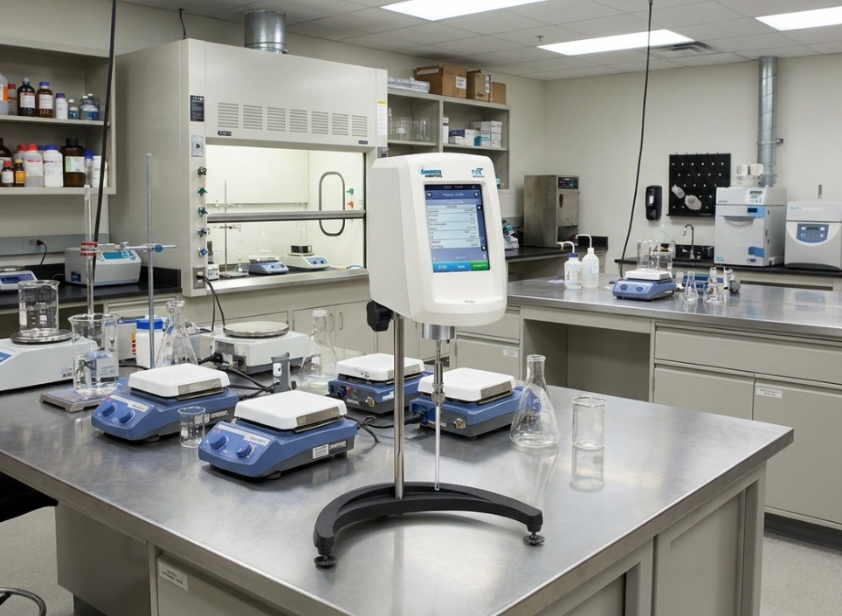
Brookfield-viscometer calibration

Why Calibration Is Not Optional?

Let’s be honest.

Many labs assume their viscometer is giving correct readings — until a batch fails, or audit questions arise.

Calibration ensures:

  • Your readings are accurate and reproducible
  • You meet audit and compliance requirements (ISO, GMP)
  • Your product quality stays consistent

Even a small error in viscosity can affect:

  • Drug stability
  • Food texture
  • Paint performance

1. Start with Proper Setup

Before you even switch on the instrument:

  • Place it on a stable, vibration-free table
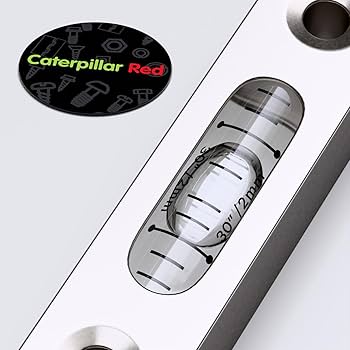
  • Check the bubble level — this is often ignored but very important
  • Clean the spindle properly (no leftover sample)
  • Ensure room or sample temperature is controlled (usually 25°C)

👉 In real lab practice, improper leveling alone can cause major errors.

brookfield viscometer calibration-step1

2. Use Certified Standard Fluids

You cannot calibrate using water or random samples.

Always use:

  • Certified viscosity standard oils
  • Preferably NIST traceable

Choose a standard close to your working range:

  • Low viscosity → 100 cP
  • Medium → 500–1000 cP
  • High → 5000 cP and above

3. Select the Right Spindle and Speed

This is where many people go wrong.

  • Choose the correct spindle number
  • Set appropriate RPM
  • Ensure torque reading is between 10% and 90%

👉 Below 10% = unstable reading
👉 Above 90% = overload condition

Ideal range: 20%–80% torque

4. Control Temperature (Critical Step)

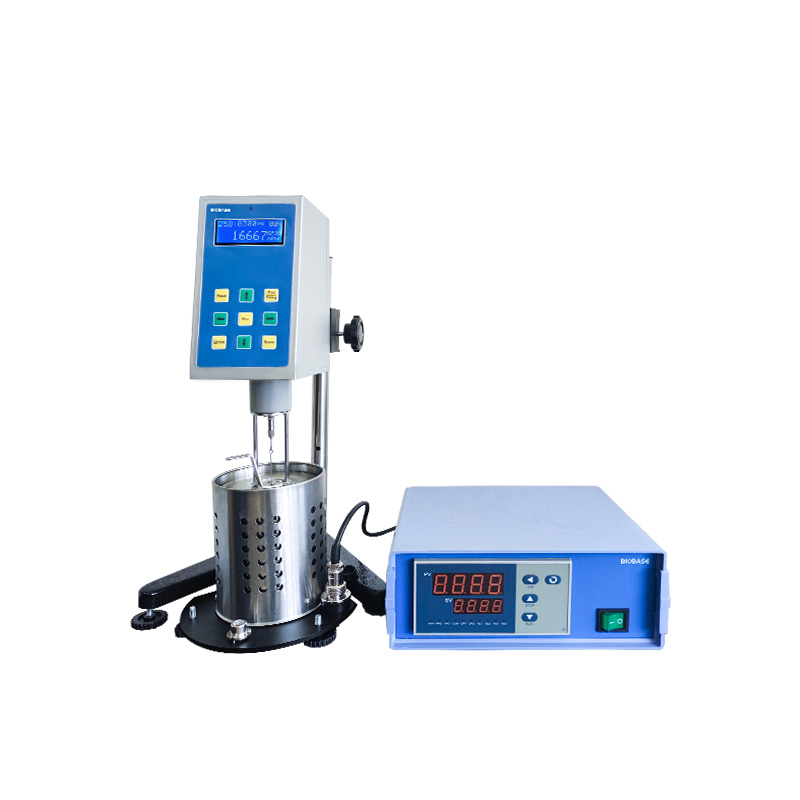
viscometer calibration-control temperature

Viscosity is extremely sensitive to temperature.

Even a 1°C variation can change results significantly.

Best practice:
Use a temperature-controlled water bath

  • Allow at least 10 minutes stabilization

5. Take the Measurement Properly

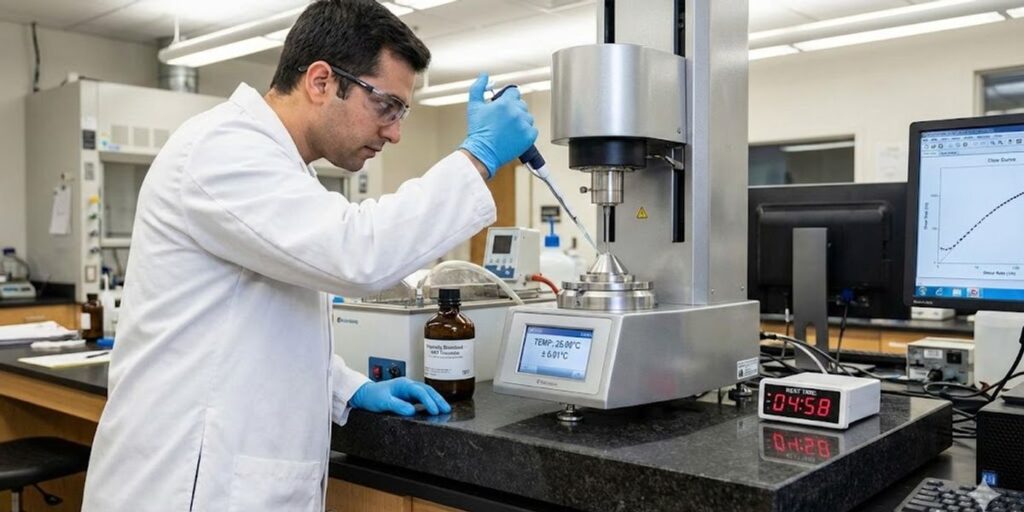
Viscosity calibration and flow measurements

Now comes the actual measurement:

  1. Immerse spindle up to the marked level
  2. Ensure no air bubbles
  3. Start rotation
  4. Wait until reading stabilizes
  5. Record:
    • Viscosity (cP)
    • Torque (%)
    • Temperature
    • Spindle & RPM

👉 Don’t rush — unstable readings are a common mistake.

6. Compare with Standard Value

Now compare your reading with the certified value.

Acceptance criteria (typical):

  • ±1% for high-precision labs
  • ±2% for general industrial use

If your result falls within this range → ✅ Calibration OK

At InstrumentsCare, we understand that calibration is not just a technical requirement — it’s the foundation of reliable results and consistent product quality. With hands-on experience in laboratory and industrial environments, our team delivers accurate, traceable, and audit-ready Brookfield viscometer calibration services tailored to your needs. We follow industry best practices, use certified standard fluids, and ensure every calibration meets ISO/GMP compliance standards. Whether you are a pharmaceutical lab, food manufacturer, or research facility, InstrumentsCare is committed to providing precision you can trust and service you can depend on.

Leave a Comment

Your email address will not be published. Required fields are marked *

Scroll to Top